The Black Blade
Forged in shadow, its edge remembers every throat it has ever opened.

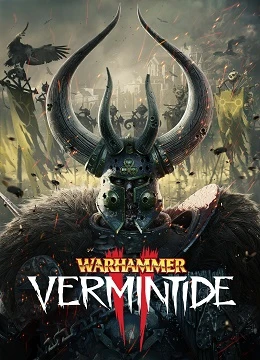
The Black Blade is a relic in *Warhammer: Vermintide 2*—a passive gear item that slots into your hero's third equipment slot alongside weapon and armor, granting a flat or percentage-based stat bonus that can define a build. Its name echoes the Old World's grim tradition of dark-forged steel: weapons quenched in shadow, steeped in bloodshed, and often tinged with the taint of the Unseen. In Vermintide 2's roguelike runs, The Black Blade appears in loot tables as one of many relics, adding a layer of build variety to each desperate fight through rat-infested ruins. For fans of Warhammer fantasy, it's a nod to the battered, workman's tools that ordinary people grab when the world ends—no ceremony, no blessing, just cold metal and the need to survive.
- Type
- Relic (passive equipment)
- Game
- Warhammer: Vermintide 2
- Equippable by
- All heroes
- Acquisition
- Loot drop (chests, bosses, event rewards)
- Rarity tier
- Standard relic pool
Lore & Background
In the grim world of the Old World, certain weapons are spoken of in hushed tones by blacksmiths and soldiers alike. The Black Blade belongs to that tradition—a blade whose steel was quenched in conditions no honest forge would replicate, leaving the metal with a depth and darkness that ordinary iron cannot match. It is not cursed in the way a Chaos-touched weapon might be, but it carries the accumulated violence of every hand that has gripped it, a weight that settles into the shoulders of whoever wields it. In the context of Vermintide 2's narrative, where heroes of the Empire and the Kislevite steppes fight to keep the Great Rat and the forces of the Chaos Gods from swallowing the world, relics like The Black Blade represent the desperate, often morally grey tools that ordinary people grab when the world is ending. There is no ceremony, no blessing from a temple priest. There is only the need to swing something heavy and sharp at whatever is trying to eat you alive. The relic's name and aesthetic tie it to the broader Warhammer theme that the Old World is a place where even the smallest village blacksmith might produce a blade that outlasts empires, simply because the alternative is to die in the mud. The Black Blade is not a legendary artifact of the gods. It is a soldier's tool, and that is what makes it resonate with players who see their heroes as scrappy, exhausted fighters rather than chosen champions.
In Their Own Story
The chest groaned open in the rain-slicked alley of Mordheim, and the smell of old iron hit Katrien before the light did. She pulled the blade free by its pommel—no scabbard, no wrapping, just the cold black steel catching the grey sky. Her fingers found the fuller groove, and the metal seemed to drink the warmth from her palm. Somewhere above, a rat the size of a hound shrieked and dropped from the rafters, and she was already swinging. The edge sang through wet fur and bone with a sound like a whispered curse. She did not check the body. She never did. The blade was warm now, and that was enough.
Reader's Guide
The Black Blade is a relic slot item available to every hero in *Warhammer: Vermintide 2*. It provides a damage-oriented stat bonus, making it a strong fit for builds that lean into raw hit output—think Kerillian weaving through hordes with her sword combos, or Bardin cleaving into a packed line of Skaven with his axe. Pair it with gear that boosts critical hit chance or attack speed to turn every swing into a meaty, decisive strike. Because it's a universal relic, you can slap it on any hero for an instant damage bump, but it shines brightest on frontline fighters who live in the thick of the melee scrum.
Did You Know?
- In Warhammer: Vermintide 2, relics are a universal equipment slot—The Black Blade can be equipped by any hero, from Kerillian to Bardin, regardless of their weapon type.
- The game's relic system was designed to give players a third layer of build customization beyond weapon and armor, turning each run into a small experiment in stat synergy.
- The name 'Black Blade' echoes a long tradition in Warhammer fantasy fiction of dark-forged weapons that carry the weight of their use, a motif fans often connect to the broader grimdark tone of the setting.
- Because relics drop from the general loot pool, The Black Blade can appear on any hero's inventory, making it a wildcard pick in co-op sessions where players share loot.
More in Skills, Relics & Gear
Elsewhere in the Warhammer Vermintide universe
Spotted an error? Know more?
This is a living reference — every entry is fact-audited, and reader corrections feed straight into our audit queue. Suggest an edit · See this site's audit record