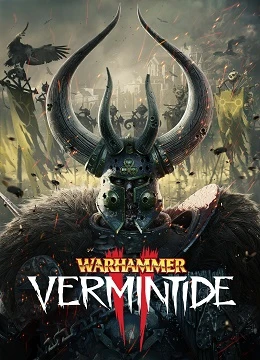
The Empire of Man
A fractured bastion of humanity, fighting tooth and claw against the tide.

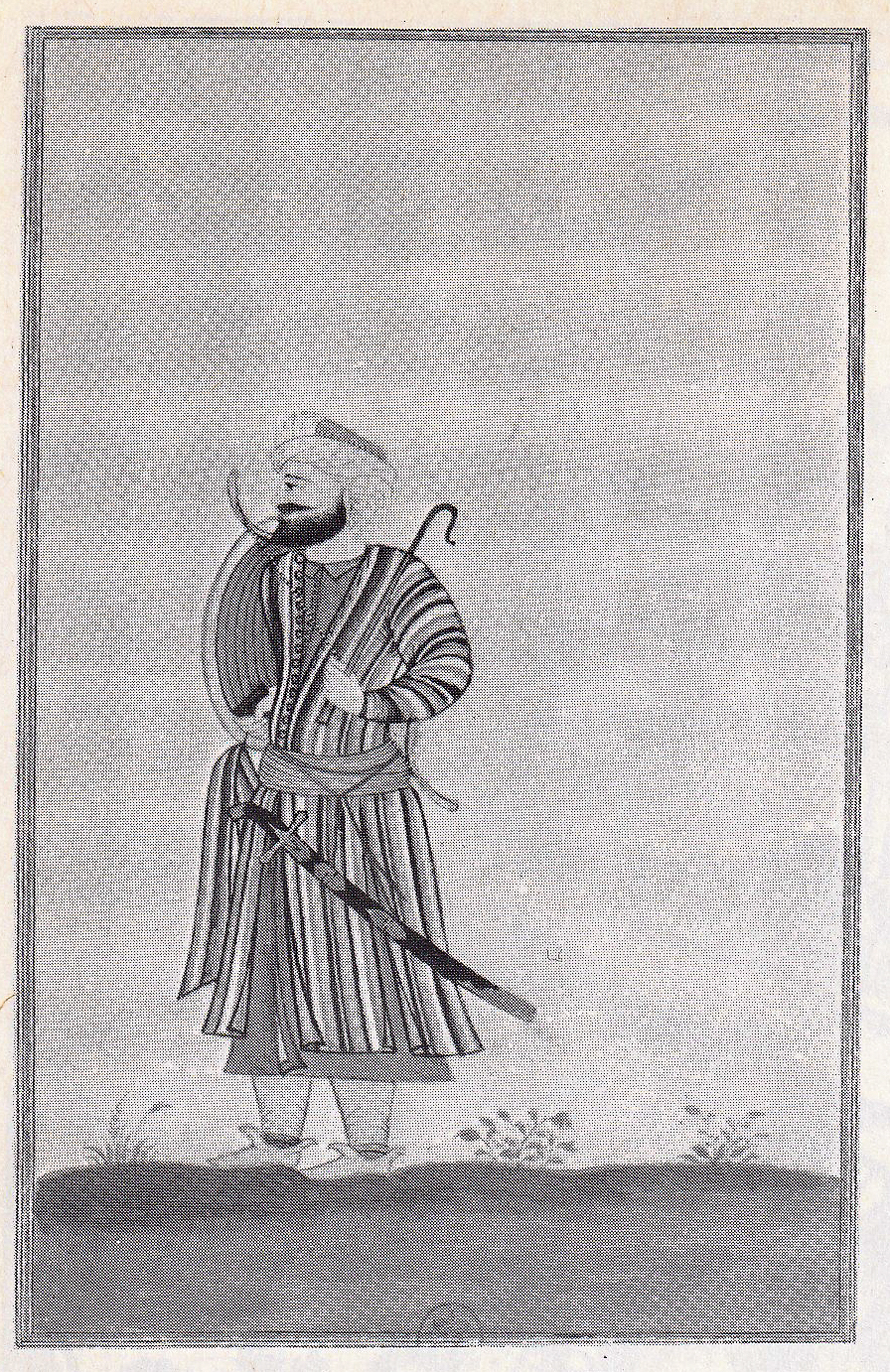
Unknown artist · Public domain
The Empire of Man is the largest and most powerful human nation in the Old World, a sprawling realm of feudal provinces united under a single Emperor. In the context of the Vermintide series, the Empire is the primary setting, a land besieged by the Skaven hordes and the forces of Chaos, where the five heroes fight to protect its cities and people.
- Capital
- Altdorf
- Ruling Body
- Imperial Electors and the Emperor
- Major Provinces
- Reikland, Middenland, Averland, Stirland, Talabecland, Ostermark, Ostland, Nordland, Wissenland
- Primary Religion
- Cult of Sigmar
- Current Emperor (Vermintide Era)
- Karl Franz
- Threat Level
- Extreme (Skaven invasion, Chaos incursion)
Lore & Background
The Empire was founded by the legendary warrior Sigmar Heldenhammer, who united the warring tribes of men and forged a nation dedicated to order and civilization. For over two thousand years, it has stood as a bulwark against the darkness, its armies wielding black powder and steel against beastmen, greenskins, and the servants of the Dark Gods. Its provinces, each with its own culture and elector count, owe fealty to the Emperor in Altdorf, though internal politics and rivalries often threaten unity.
During the events of Vermintide, the Empire is reeling from the catastrophic Skaven invasion of Ubersreik and the wider Reikland province. The vermin tide, led by the Grey Seer Thanquol, exploits the chaos of a simultaneous Chaos incursion, striking at the heart of the realm. The five heroes—Markus Kruber, Sienna Fuegonasus, Victor Saltzpyre, Kerillian, and Bardin Goreksson—operate as a makeshift warband, defending Imperial settlements, uncovering Skaven plots, and fighting to prevent the Empire's collapse.
The Empire's strength lies in its resilience and its diverse military traditions: state troops, knights of the various orders, engineers of the Imperial School of Engineering, and the witch hunters of the Sigmarite church. Yet its greatest weakness is its internal distrust—of magic, of mutants, and of outsiders—which the Skaven and Chaos forces ruthlessly exploit.
In Their Own Story
The rain on Altdorf never really stops; it just changes its mind about how hard to hit you. You can smell it in the cobbles of the Unterstadt, that thin, iron-tang of the river mixing with the smoke from a hundred chimneys. A monk in a mud-spattered habit presses a hand to his chest and mutters the Litany of the Shield, his breath fogging in the November air. Above him, the spires of the Cathedral of Sigmar catch the last grey light, and somewhere in the Parliament, a duke is arguing about tariffs while the world quietly tilts. Down in the cellar of a chandler's shop on the Kesselgasse, the rats are not rats. They are not the grey, skittering things that steal your bread crust. These things stand upright, their eyes like wet coins, their claws clicking on the flagstones with the patience of a siege engine. One of them tilts its head and smells the oil, the tallow, the slow-burning wick of a hundred candles stacked in the dark. It does not need to speak. It does not need to plan. It simply waits for the candle to be lit, for the flame to catch, for the Empire to burn from the inside out. Upstairs, a knight sharpens his sword by the fire and does not look at the cellar door. He has not looked at it in three days. He tells himself it is only rats. He tells himself the Empire is safe. He tells himself a great many things, and the fire crackles, and the rain keeps falling, and the clicking in the dark grows a little louder.
Reader's Guide
The Empire of Man is the overarching setting for both Vermintide games. Every mission takes place within its borders or in the bordering Great Forest, and the political and religious structures you encounter—the Emperor, the Grand Theogonist, the Imperial Parliament, the local dukes and magistrates—are drawn directly from the broader Warhammer Fantasy lore. Altdorf, the capital, appears as a recurring location and is depicted as a city of canals, narrow streets, and towering spires, consistent with its role as the political and spiritual heart of the realm. In-game, you will hear references to Sigmar, the god whose Church dominates Imperial life. The Grand Theogonist is the head of that Church and a key political figure. The Emperor is both king and military leader, a role that in the wider lore is tied to a lineage of anointed rulers. Vermintide keeps these structures but focuses on the ground level: the village blacksmith, the monastery cook, the city guard who is three days behind on pay. This is a deliberate zoom that the broader Warhammer Fantasy setting, with its focus on grand campaigns and divine politics, does not always provide. One notable retelling choice: Vermintide elevates the Skaven from a recurring enemy faction to the singular, driving antagonist of the entire narrative. In the wider Warhammer setting, the Skaven are one of many threats (Chaos, Beastmen, Dark Elves, etc.), but here they are the sole focus, and their subterranean tactics—tunnels beneath every city, simultaneous attacks from below—become the defining horror. The game also gives the Skaven a more unified, almost military hierarchy in their tunnel networks, which is a slight amplification of how they are typically portrayed as a feral, fractious rat-folk. Terms you may encounter: the Unterstadt (lower city districts of Altdorf), the Great Forest (the vast woodland to the Empire's west, home to Beastmen and other dangers), the Litany of the Shield (a common Sigmarite prayer), and the Great War (the Skaven's planned continent-wide assault). If a mission briefing mentions a duke's levy or a Theogonist's decree, you are looking at the Empire's layered governance in action: local lords raising troops, the Church issuing spiritual mandates, and the Emperor's authority stretching (unevenly) over all of it.
Did You Know?
- Reikland is a province of the Empire, not a separate city-state or nation; its capital is Altdorf, which also serves as the Imperial capital.
- The five playable characters in Vermintide are Markus Kruber (former soldier), Sienna Fuegonasus (Bright Wizard), Victor Saltzpyre (Witch Hunter), Kerillian (Waywatcher), and Bardin Goreksson (Dwarf Ranger).
- The Empire's signature weapon, the repeater handgun, was developed by the Imperial School of Engineering in Nuln.
- The Skaven invasion of Ubersreik in Vermintide is a direct result of the Grey Seer Thanquol's schemes to weaken the Empire before a larger Chaos assault.
The Fall of Ubersreik
The Imperial city of Ubersreik serves as the stage for one of the most devastating crises in the Warhammer Fantasy setting. During the apocalyptic period known as the End Times, an army of Skaven belonging to Clan Fester launches a surprise assault that rapidly overwhelms the city's defenses. The invasion is so swift and total that the population is forced into a desperate struggle for survival. In the aftermath, a small band of survivors takes refuge in an inn operated by a local proprietor named Franz Lohner, who coordinates their resistance efforts. A wagon master by the name of Olesya Pimenova assists in moving the group between locations across the besieged city. The heroes undertake a series of critical operations: alerting the remaining citizens to the full scale of the invasion, undermining the Skaven military infrastructure, and gathering essential supplies to sustain the human resistance. Despite these efforts, the Skaven ultimately breach the inn, forcing the defenders underground where they witness the enemy leadership preparing to activate a catastrophic device.
The Five Pillars of the Empire
The Warhammer Fantasy setting presents a diverse cast of defenders who represent the breadth of the Empire of Man's allied peoples. Markus Kruber embodies the common Imperial soldier, a man of the realm's military tradition. Victor Saltzpyre carries the mantle of the Witch Hunter, a role dedicated to rooting out magical corruption. Bardin Goreksson brings the martial heritage of the Dwarves as a Ranger, while Kerillian represents the Wood Elves through her role as a Waywatcher. Sienna Fuegonasus, a Bright Wizard, channels the arcane arts of the Empire's scholarly traditions. Each of these five figures possesses a distinct combat philosophy: some excel at ranged engagements through firearms, arrows, or sorcery, while others rely on close-quarters weapons such as swords. Their individual personalities and perspectives on the unfolding catastrophe give the narrative a layered, personal dimension, as each character reacts differently to the major events that shake the city.
The Skaven and the Machine
The primary antagonists threatening the Empire of Man in this narrative are the Skaven, a race of rodent-like creatures organized into warring clans. In the Ubersreik crisis, Clan Fester is the aggressor faction, led by a figure known as Grey Seer Rasknitt. The Skaven military doctrine relies on overwhelming numbers: their most common warriors are individually fragile but deploy in massive swarms designed to crush defenders through sheer volume. Beyond these common soldiers, the clan fields specialized units, including heavily armored warriors, operatives carrying toxic explosive devices, and the terrifying Rat Ogre, a massive brute that towers over its kin. The conflict director system ensures that enemy encounters remain unpredictable, with hostile forces spawning dynamically throughout the environment. The ultimate goal of Clan Fester extends beyond mere conquest: Rasknitt seeks to activate a powerful machine capable of tearing open a portal, an act that would have consequences far beyond the walls of Ubersreik.
Bringing the Empire to Life in Interactive Media
The Empire of Man found a new dimension of storytelling through the collaborative effort between Fatshark and Games Workshop. The Swedish studio had been fans of the Warhammer Fantasy tabletop game since 2004, and when their team grew large enough, they secured the license in 2013 to create a video game set within the franchise's world. Games Workshop served as a creative coordinator throughout production, ensuring the final product carried an authentic Warhammer feel and remained faithful to the established lore of the Empire. Fatshark chose to self-publish the title, a decision made to preserve maximum creative autonomy over how the setting was portrayed. The resulting game, released in late 2015 for PC and in 2016 for consoles, was met with generally positive reception. Critics praised its visual design, progression systems, and level architecture, while noting some balancing and technical shortcomings. The game sold 300,000 copies within its first month and surpassed two million by the end of 2017, cementing the Empire of Man as a vibrant setting in interactive entertainment.
Gallery
Frequently Asked Questions
What is the Empire of Man in Warhammer?
It is the dominant human civilization on the northern continent, organized as a theocratic monarchy with Altdorf as its capital. The realm stretches across a vast territory bordered by the Great Forest to the west, blending golden spires with grimy back-alley life.
Who rules the Empire of Man and how is power structured?
The Emperor holds a hereditary sovereign title, but real governance is a shared enterprise with the Church of Sigmar, the state religion devoted to the God of War and Empire. Together they maintain a thousand-year-old order of law, faith, and military tradition across the realm.
What role does the Empire play in Warhammer: Vermintide?
The Empire is not just a backdrop; it is the active battlefield where knights, rangers, witches, monks, and thieves throw themselves against the Skaven tide threatening to swallow the realm whole. Every cobblestoned street and pious cathedral becomes a front line in that desperate struggle.
What is the main threat to the Empire in Vermintide?
The Skaven, a rat-like race devoted to the Great Horned Rat, serve as the primary antagonists, pouring out from tunnels beneath the earth to devour the Empire's cities and infrastructure. Their relentless, wave-like assault is the central conflict driving the entire Vermintide campaign.
Why is the Empire of Man important to the broader Warhammer setting?
It stands as the last great bastion of organized human civilization in the northern continent, a thousand-year-old society of spires, hymns, and steel perpetually one rat-bitten night from collapse. Its survival or fall reshapes the fate of nearly every other nation and faction in the Warhammer world.
More in Lore & History
Elsewhere in the Warhammer Vermintide universe
Spotted an error? Know more?
This is a living reference — every entry is fact-audited, and reader corrections feed straight into our audit queue. Suggest an edit · See this site's audit record